Tinnitus · Review
Do Tinnitus Relief Sprays Work? (Tested)
By PLACEHOLDER: Your Name · Updated July 2026
Advertising disclosure: This article contains affiliate links. If you buy through them we may earn a commission at no extra cost to you. Full disclosure.
A new category of “tinnitus relief sprays” is climbing the search charts fast: little oral or under-the-tongue sprays that promise to hush the ringing in minutes. When a fix for a stubborn, incurable symptom suddenly goes viral, the useful question isn't “does it feel promising” but “what is actually driving the trend, and does the evidence hold up?” We looked at both. It doesn't, and this page walks through why, then points you toward what your money and time are better spent on.
The short answer
- Verdict: No credible clinical evidence shows tinnitus relief sprays cure or reliably quiet tinnitus. Most are homeopathic or herbal, and the “instant relief” framing is a marketing claim, not a research finding.
- Why they're trending: A viral, easily demoed affiliate product meeting a large, underserved audience, not a clinical breakthrough.
- Better bets: Address the underlying cause, use sound therapy or CBT, and if you still want to try a supplement, choose a transparent, better rated one that comes with a money back guarantee.
- Yellow flag: Treat any product promising to “stop the ringing” fast as a warning sign, not a feature.
The trend: what a viral search spike really tells you
Interest in tinnitus relief sprays has jumped sharply over a short window, and steep spikes like that are worth reading carefully. A curve that shape usually reflects a coordinated marketing push rather than a wave of people independently discovering that something works. The pattern behind trending nutra products tends to repeat:
- A large, underserved audience. Tinnitus has no simple cure, so people keep searching, which makes the category commercially attractive.
- A format that demos well. A spray is easy to show in a short video: two pumps under the tongue, a relieved expression, done.
- Generous affiliate payouts. When commissions are high, publishers push a product hard, and the search volume that follows is a marketing footprint, not a medical one.
- Soft, hard to disprove claims. Language like “supports ear health” or “calms the ringing” is vague enough to sidestep regulation while still sounding curative.
A rising search line measures attention, not effectiveness. So the honest next step is to separate what these sprays are from what they can actually do.
What a tinnitus relief spray actually is
A tinnitus relief spray is usually an oral or sublingual (under the tongue) spray sold as a fast acting answer to the ringing, buzzing or hissing of tinnitus. Most products riding this trend fall into one of two groups:
- Homeopathic sprays, built on extremely diluted “active” ingredients and the homeopathic idea that a substance causing a symptom in large amounts can relieve it in tiny ones.
- Herbal or botanical sprays, small amounts of things like ginkgo, assorted herbs or vitamins in a spray base, pitched as a more convenient alternative to capsules.
The appeal is the format itself. A spray feels immediate and low effort in a way a daily capsule does not, and that convenience is most of what the marketing is really selling.
What the evidence says
Here is where the trend and the science part ways.
What the research actually shows
Tinnitus is a symptom, not a disease. It is usually generated by the brain's auditory system in response to hearing loss, noise damage, earwax or another underlying issue. No spray has been shown in quality clinical trials to switch that off. The homeopathic sprays in particular have no plausible mechanism and no robust supporting research behind them.
Homeopathy is the weaker half of the category by a wide margin. Major health bodies have repeatedly concluded that homeopathic products perform no better than placebo across the conditions studied, with no reliable evidence that they treat any health problem, tinnitus included. In many of these sprays the “active” ingredient is diluted to the point where little or nothing measurable is left in the bottle.
That does not mean everyone reporting relief is imagining it. Tinnitus naturally fluctuates day to day and responds strongly to attention and stress. A calming ritual, a placebo response or simply a quieter day can all feel like the spray worked, which is exactly why anecdotal reviews are unreliable for a symptom that moves around this much on its own.
Fast, dramatic promises are the tell
A product promising to “stop the ringing” in minutes is making a claim the science does not support. Real tinnitus management works gradually, by addressing the underlying cause and retraining how the brain responds to the sound. Speed and drama in the pitch are a marketing signal, not a clinical one.
What actually helps with tinnitus
There is no magic pump under the tongue, but tinnitus is genuinely manageable. The approaches with real support work on the cause and on the brain's response to the sound rather than promising to erase it.
| Approach | What it does | Evidence |
|---|---|---|
| Treat the underlying cause | Remove earwax, manage blood pressure, review medications, protect hearing | Strong; fixing the driver often reduces the ringing |
| Sound therapy | Masking devices, white noise, apps that make tinnitus less noticeable | Good; widely recommended for relief |
| Hearing aids | Amplify external sound where hearing loss is present | Good; often reduces how much tinnitus is perceived |
| CBT (cognitive behavioral therapy) | Retrains the distress and attention around the sound | Strongest evidence for improving quality of life |
| Supplements | May support ear or nerve health for some people; not a cure | Weak or mixed; favor transparent, well reviewed formulas |
For the full walk through of the evidence based options, from earwax removal to sound therapy and CBT, see our tinnitus treatment guide. That is where your time and money go further than on an unproven spray.
If you still want to try a supplement
A supplement is not a cure either, and it is worth being blunt about that. But if you are going to spend money hoping for support, a transparent, better rated formula with a real money back guarantee is a far safer bet than a homeopathic spray. You get disclosed ingredients, honest dosing, and the option to get your money back if it does nothing for you, none of which the spray category reliably offers.
Among the trending options, Audifort is the one we would point people to ahead of a spray. Not because it is a proven cure, it isn't, but because it is more transparent and better reviewed than the spray category, and it carries a guarantee that caps your downside.
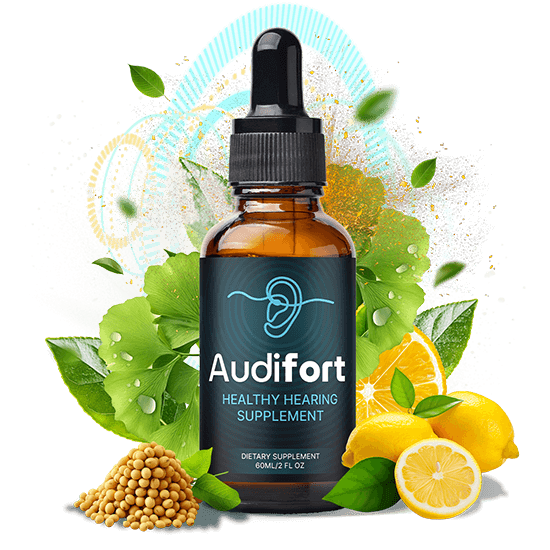
Audifort
A better-rated option to try
Want the full picture before you spend anything? Read our Audifort review, or compare it against the field in our Best Tinnitus Supplements ranking. Either way, treat a supplement as possible support layered on top of the real management strategies, not as a replacement for them.
The bottom line
Tinnitus relief sprays are trending on hype, not proof. The homeopathic ones in particular have no credible science behind them, and the “instant relief” promise is a warning sign rather than a benefit. If the ringing is bothering you, start by getting the cause looked at, explore sound therapy and CBT, and, if you want to try a supplement, choose a transparent, well reviewed one you can return.
Read next: tinnitus hub · Best Tinnitus Supplements · Audifort review · tinnitus treatment.
A note on tinnitus and your health
This article is general information, not medical advice. New, sudden, one sided or pulsing tinnitus, or tinnitus with hearing loss, dizziness or pain, should be checked by a doctor or audiologist, since it can point to a treatable underlying cause. No spray or supplement is a substitute for a proper evaluation, and these products are not regulated like medicines.
Frequently Asked Questions
Do tinnitus relief sprays actually work?
There is no good clinical evidence that they do. Most are homeopathic or herbal sprays sold on 'instant relief' claims the research does not support. Any perceived benefit is likely down to placebo and to tinnitus naturally fluctuating from day to day.
Why are tinnitus relief sprays suddenly everywhere?
A sharp rise in searches reflects a marketing push, not a breakthrough. The category has a large underserved audience, a format that demos well in short videos, generous affiliate payouts and vague claims that skirt regulation. That drives attention, not proof of effectiveness.
Are homeopathic tinnitus sprays safe?
They are usually low risk because the active ingredients are so diluted, but low risk is not the same as effective. The bigger cost is spending money and delaying real management while the ringing goes untreated.
What actually helps tinnitus if sprays don't?
Treating the underlying cause such as earwax or hearing loss, plus sound therapy, hearing aids and CBT, have the strongest support. See our tinnitus treatment guide for the evidence based options.
Is a supplement better than a spray?
A transparent, well reviewed supplement with a money back guarantee is a safer bet than an unproven homeopathic spray, but no supplement is a cure. Treat it as possible support alongside real management strategies, not a replacement for them.